
A Step-by-Step Guide to Countertop Installation
The kitchen and bathroom are considered the heart of any home. When updating these spaces, the surfaces you interact with daily play an enormous role in aesthetics and daily functionality. According to interior design research from House Beautiful, 90% of homeowners consider their counters a primary priority when undertaking a renovation. A high-quality stone surface adds incredible value and durability to your property. However, achieving that flawless look is not an overnight occurrence. The journey of a professional countertop installation requires careful forethought, precision, and skilled craftsmanship from start to finish. From the initial vision to the final sealing, every phase must be handled meticulously to ensure long-term longevity. Understanding the process helps alleviate anxiety and empowers you to make informed decisions for your residential space. This comprehensive guide walks you through the essential stages of bringing your dream surfaces to life.
Planning the Layout
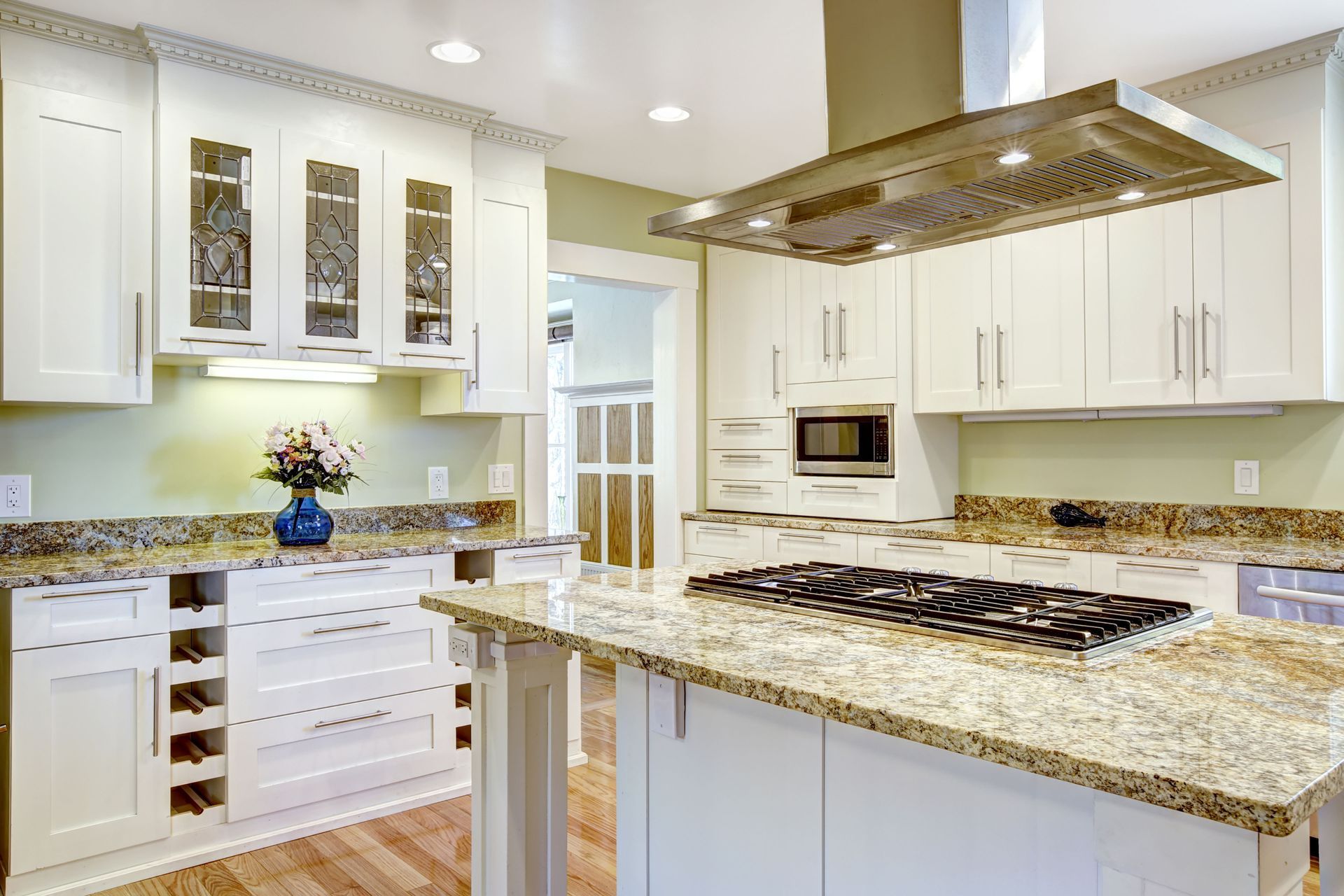
Every remodeling project begins with a clear vision and a well-defined layout. During this phase, you must consider how the space will function. Are you designing a kitchen that requires extensive prep space, or upgrading a bathroom with a sleek vanity top and a makeup table? Identifying the primary use of the area allows you to determine the best shape and size for your new surfaces. A successful countertop installation relies on this foundational step, as it dictates material requirements and structural support. It is also the perfect time to think about complementary features, such as a matching stone tub surround or a custom shower enclosure to tie the room together. Whether you want an expansive island with cascading waterfall edges or a simple perimeter, locking down the spatial design ensures subsequent phases go off without a hitch. Establishing a solid blueprint sets a clear path forward for the entire transformation.
Choosing the Material
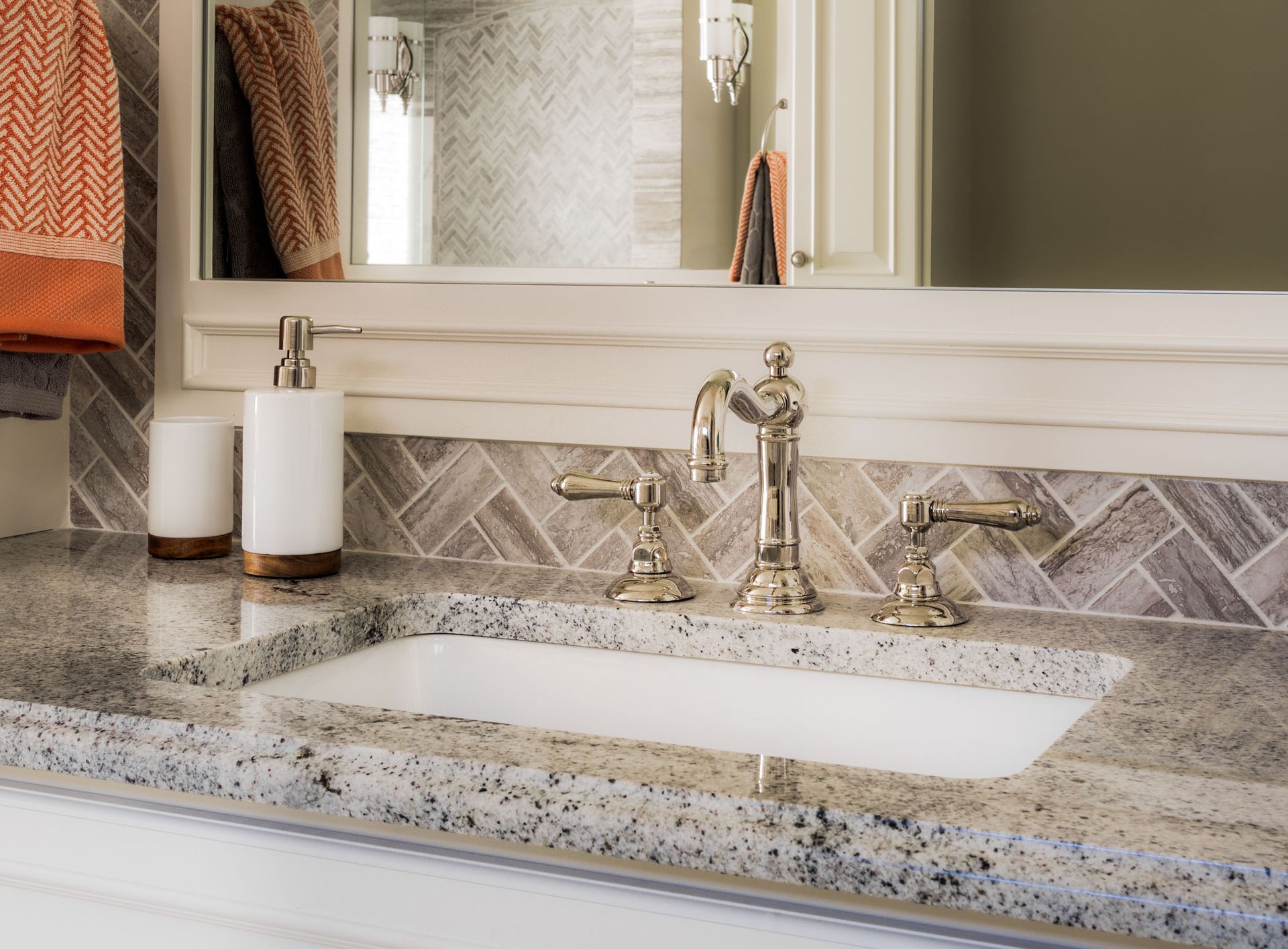
With the layout firmly established, the next phase is deciding on the ideal stone for your home. There is an abundance of stunning natural and engineered stone surfaces available to suit any specific lifestyle or preference. If you want classic elegance, marble is a phenomenal choice that brightens any room. For those seeking durability, quartz provides exceptional strength and stain resistance. Granite and porcelain are also fantastic options that bring unique character to your spaces. When planning your countertop installation, it is equally important to think about the exact finish. You can opt for a polished finish for a high-gloss shine, or a honed finish for a smooth, matte aesthetic. Other textured options include suede, leathered, brushed, flamed, or hammered finishes, each adding a distinct tactile element to the stone. Reviewing these characteristics carefully ensures that your final decision perfectly aligns with your design vision and everyday practical needs.
Measuring the Dimensions
Once you know exactly what material will grace your home, the project moves into the measurement phase. Precision is absolutely vital here, as even a fraction of an inch can throw off the entire fit. Professionals use advanced templating techniques to map out the exact dimensions of your cabinets and walls. This step ensures that the forthcoming countertop installation goes smoothly, without any need for on-site shaving or awkward gaps. The templating process also accounts for custom cutouts for sinks and appliances. If you are adding an integrated backsplash, those measurements are calculated to seamlessly match the horizontal surfaces. Furthermore, if the project extends to other areas of the house, like a beautiful stone surround and hearth for your fireplaces, exact dimensions must be gathered for those features as well. Taking exact measurements eliminates unnecessary guesswork and guarantees the custom fabrication process will yield pieces that fit perfectly.
Preparing the Area
Before the beautiful new stone can be brought into your home, the existing space must be thoroughly prepped and cleaned. This involves removing the old surfaces, disconnecting plumbing, and clearing out appliances that might obstruct the workspace. A high-quality countertop installation requires a completely level and sturdy foundation. Natural stone, especially dense materials like granite or marble, is exceptionally heavy. The cabinetry underneath must be structurally sound and perfectly leveled to support the weight without bowing or cracking the stone over time. Installers will check the base cabinets to ensure they are anchored correctly and make necessary adjustments to the framework. The prep phase might feel disruptive, but taking the time to secure the underlying structure is non-negotiable for a safe and enduring result. By thoroughly preparing the room and ensuring the environment is stabilized, the actual placement of the heavy stone slabs becomes a much safer endeavor.
Executing the Project
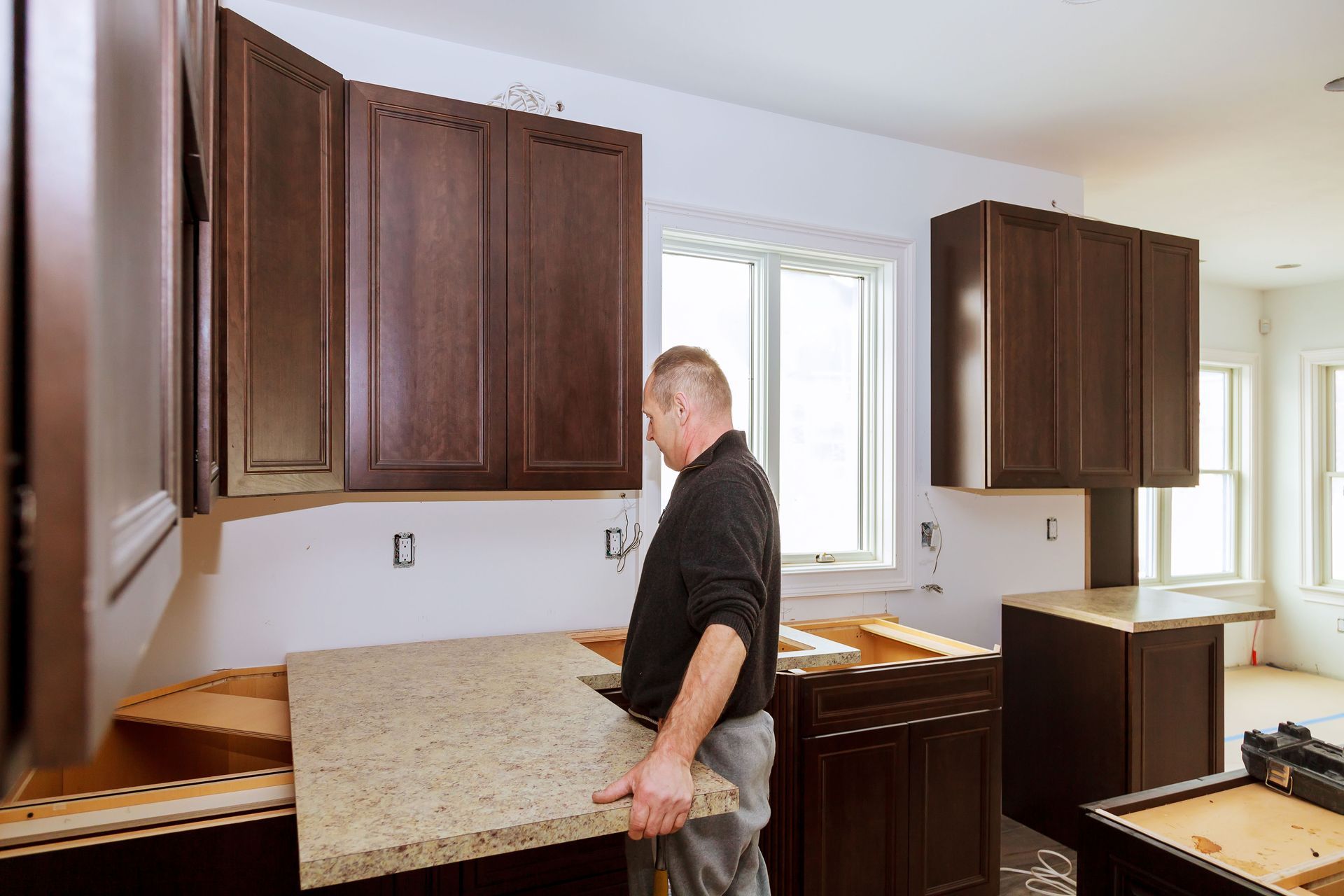
The day the stone arrives is the most thrilling part of the renovation journey. Skilled professionals carefully transport the fabricated slabs into your home, navigating tight corners with extreme caution. The actual countertop installation involves placing the heavy slabs onto the leveled cabinets, ensuring that any necessary seams are joined seamlessly. High-grade adhesives and color-matched epoxies are utilized to bind the pieces together, making the seams virtually invisible. The team will also secure the sinks, verify that the cutouts for appliances fit exactly as planned, and attach any matching backsplashes to the walls. Every edge profile is double-checked for smoothness, and the surfaces are cleaned to reveal their natural brilliance. Because the fabrication was done accurately based on the prior templating, the pieces should lock together flawlessly. The transformation is immediate, turning a construction zone into a refined, elegant space that dramatically elevates your property's interior design.
Maintaining the Surface
After the team finishes securing your new surfaces, the focus shifts to long-term care and preservation. Knowing how to care for your specific material guarantees that it remains stunning for years. A professional countertop installation always concludes with a thorough walkthrough of maintenance guidelines. For most natural stones, routine cleaning should be done using a mild, non-abrasive cleaner while avoiding harsh chemicals that could etch the finish. If you opted for a porous material like marble, periodic resealing is highly recommended to protect the surface against staining and moisture absorption. Wiping up spills promptly and using cutting boards or trivets will also go a long way in protecting your investment. Engineered options like quartz generally require less upkeep, but treating them with care still extends their lifespan. By following these simple maintenance steps, your gorgeous stone surfaces will continue to provide structural stability and visual appeal for decades.
Embarking on a renovation journey is a significant undertaking, but upgrading your surfaces is one of the most rewarding improvements you can make. The process involves a series of deliberate, meticulous steps, from mapping out the initial blueprint to applying the final coat of sealant. Understanding this progression gives you peace of mind and ensures that you know what to expect at every single turn. The beauty of natural and engineered stone lies not just in its immediate visual impact, but in its ability to stand the test of time when properly cared for. Whether you are updating a master bathroom, revitalizing a tired kitchen, or adding character to a fireplace, the right materials completely redefine the atmosphere of your space. A masterfully executed countertop installation breathes new life into your property, blending unmatched functionality with incredible artistry. To get started on this exciting journey and transform your home with stunning surfaces, contact the professionals at Renaissance Marble Works.



Share On: